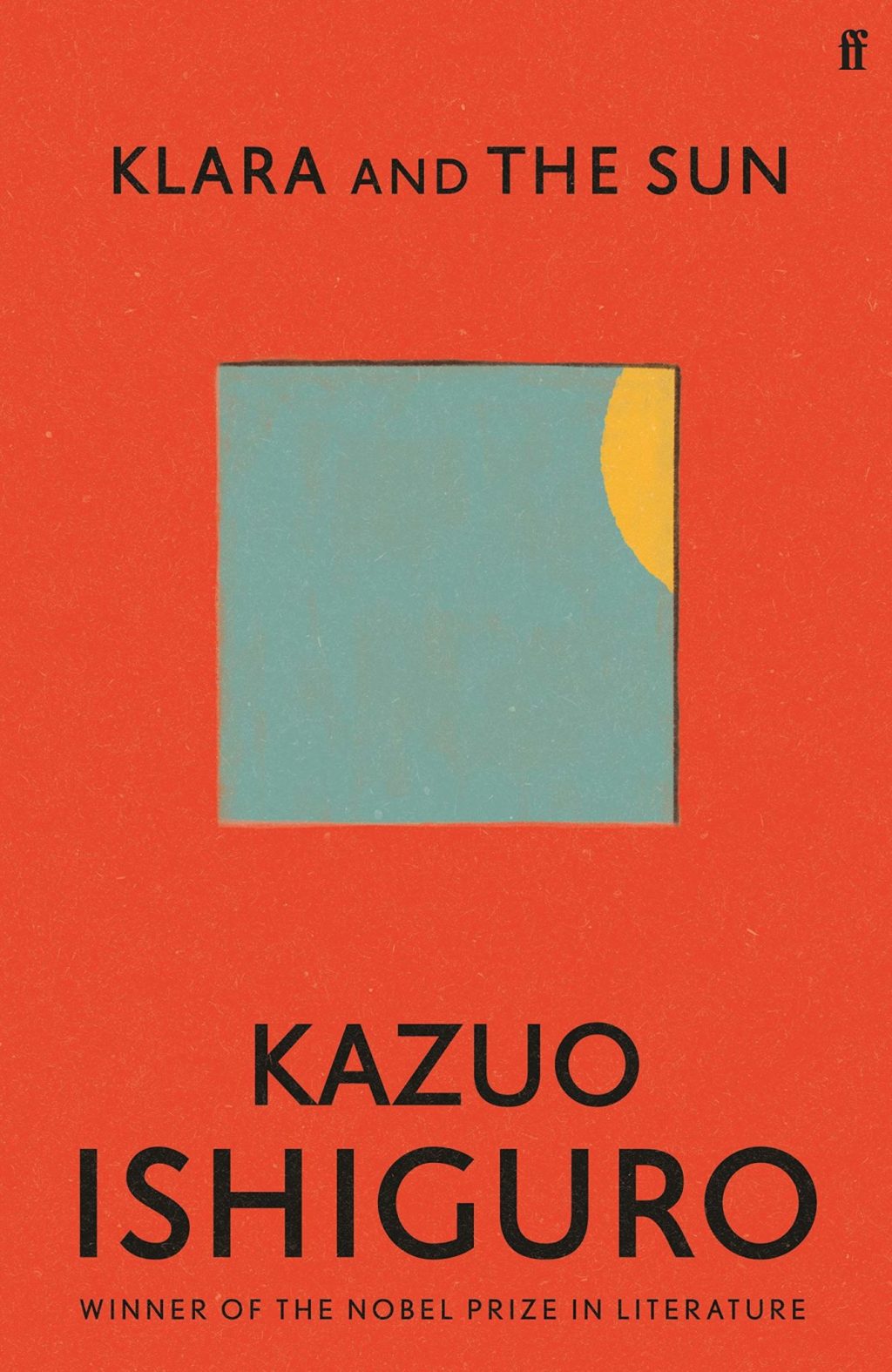
This novel, like the Sun in it, really held my attention and had me curious to know what would happen next. It is written in a prose style that’s nourishing. A major theme of Klara and the Sun, presented in a somewhat positive way, is how beings can misunderstand or misinterpret something observed, without much interference from the author’s own interpretation, leaving the reader with his or her own observation of the scene. Another major theme that I did not enjoy so much involved individuality, and I won’t say much more about that because I don’t want to spoil the novel.
Klara and the Sun had me curious to read another book by its author, and the strengths of this book also included the word choice for dialogue along with observational details of the scene, which are some of my absolute favorite elements of a story, sometimes even more than the plot itself.
The plot kept the novel turning, at times in a whirl-wind, and it is a little difficult to classify who Klara is when she seems so alive and human, yet is called an Artificial Friend, and it is difficult to decipher if Klara is actually the main character of the novel. It feels like she has no will of her own as an AF. Josie and Rick’s relationship also begins very young, and there feels to be in this novel a lot of unanswered questions and uneven actions.
Still, I liked the author’s writing style and plan to read another book by him.
The opening of Klara and the Sun is especially riveting, especially the meeting between the characters, Klara and Josie.
The book falls in the magic realism and science fiction genres, with the Sun as a character in it. I think it would appeal to readers who are looking for a uniquely planned novel, with some romance mixed in without a lot of physical interaction, with hugs being a main way of affection shared between characters. The main themes are more philosophical.
Jade

 Blush of Dawn
Leave a comment